

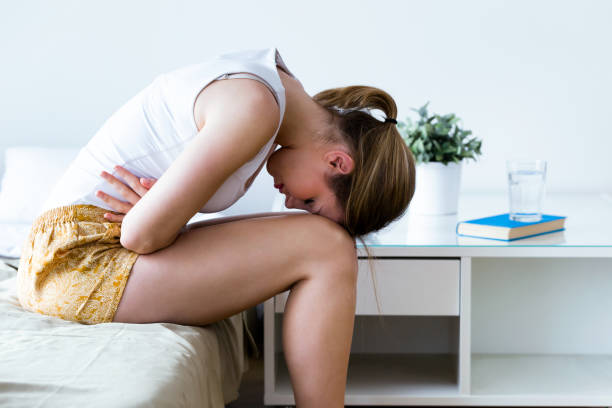
Experiencing sudden abdominal pain can be a frightening experience, especially when your 11-year-old has cramps but no period. Period pains are never pleasant, and as a parent, it's completely understandable to feel concerned about your child's well-being. These cramps can range from a mild, dull discomfort to more intense, stabbing sensations.
While it's common for individuals who menstruate to experience some level of pain and cramping before or during their period, it can be particularly distressing when it happens to your child for the first time. Determining the exact cause of abdominal cramps in a child can be challenging. If this is your current situation, here are a few key factors to consider.
Key Takeaways
- First Period Signal: Cramps without bleeding in a pre-teen are often a primary sign that her body is preparing for its first menstrual cycle, which is normal for ages 9 to 15.
- Consider Other Causes: Not all abdominal cramps in a child are period-related. Rule out common issues like gastrointestinal upset (indigestion, constipation), muscle strain from activity, or potential urinary tract infections.
- When to Consult a Doctor: While often benign, you should seek medical advice if the pain is severe, lasts longer than a day, worsens, or is accompanied by other symptoms like fever, vomiting, or pain during urination.
- Preparation is Key: Use this as an opportunity to have an open conversation about menstruation and prepare a "first period kit" to help your child feel confident and ready.
Understanding the Possibilities: Why Your Child Has Cramps
When you're faced with an 11-year-old who has cramps but no period, your mind can jump to a lot of conclusions. Let's break down the most likely scenarios.
1. Preparing for the First Period (Menarche)
This is often the most common reason. It's highly possible that your child's cramps are a clear signal that their first menstrual cycle is approaching. The average age for the first period is around 12.5 years, but the normal range is quite broad, with most girls experiencing it between the ages of 9 and 15. The cramping is caused by the uterus contracting as it prepares for this new function.
2. Exploring Other Causes of Abdominal Pain
If the cramps don't seem to lead to a period, there are several other potential reasons to consider. Most are temporary and not a cause for major concern.
- Muscle Strain: Has your child been particularly active recently? Strenuous physical activity or a new exercise routine can sometimes lead to abdominal muscle cramps, which usually subside quickly on their own.
- Gastrointestinal Issues: This is a very common culprit. Indigestion, gas, or constipation can cause significant abdominal pain that can easily be mistaken for menstrual cramps. If the discomfort resolves within a few hours, it's typically not a cause for concern. However, prolonged or severe pain should always be evaluated by a healthcare professional.
- Other Medical Conditions: While less common, certain conditions like urinary tract infections (UTIs), kidney stones, or even appendicitis can present with abdominal pain. The key difference is that these conditions are usually accompanied by other symptoms. For example, a UTI often involves pain during urination, and appendicitis pain typically worsens and localizes to the lower right abdomen. If the pain persists or gets worse, it's crucial to seek medical advice promptly.
A Closer Look at Conditions Causing Cramps Unrelated to the Menstrual Cycle
Sometimes, recurring abdominal cramps in a child can point to an underlying condition that's important to identify. While these are less common in 11-year-olds, being aware of them is helpful for any concerned parent.
| Condition | Key Symptoms | Why It Happens |
|---|---|---|
| Endometriosis | Severe pain during or between periods, heavy bleeding. The pain can be chronic. | Tissue similar to the uterine lining grows outside the uterus. While more common in older teens and adults, it can start in adolescence. |
| Fibroids | Pain, pressure in the pelvic area, heavy bleeding. Pain is often worse before or during periods. | Noncancerous growths of muscle tissue in or on the uterine wall. Very rare in young teens. |
| Irritable Bowel Syndrome (IBS) | Cramping, bloating, gas, and alternating diarrhea and constipation. | A condition causing increased sensitivity and abnormal muscle contractions in the large intestine. |
| Inflammatory Bowel Disease (IBD) | Persistent abdominal pain, diarrhea (sometimes bloody), weight loss, fatigue. | Chronic inflammation of the digestive tract (e.g., Crohn's disease or ulcerative colitis). Requires prompt medical evaluation. |
Myth vs. Reality
Myth: Any severe cramp in a girl must be related to her period.
Reality: The abdomen houses many organs, including the intestines, bladder, and appendix. As a former athlete who had to learn to read my body's signals, and as someone with a background in textile engineering who understands how the body interacts with its environment, I can say that pinpointing pain is complex. A cramp is simply a muscle contracting. While uterine contractions cause period pain, intestinal contractions (from something she ate) or bladder spasms (from a UTI) can feel very similar. According to health authorities like the Cleveland Clinic, it's essential to consider the full picture of symptoms, not just the cramps themselves, to understand the true cause.
How to Prepare for Their First Period
When it comes to preparing your 11-year-old for their first period, taking proactive steps can make all the difference. The goal is to replace fear and uncertainty with confidence and knowledge.
Start the conversation early and keep it open. It's essential to have honest discussions about puberty and menstruation so that your child knows what to expect. Reassure them that this is a normal and healthy part of growing up.
Introduce them to menstrual hygiene products. Show them the different options available. A great way to start is by creating a "first period kit." This kit can include various supplies like pads and liners of different sizes. It's also a perfect time to introduce them to innovative and easy-to-use options like period underwear, which can feel less intimidating than tampons and offer discreet, comfortable protection.
While it's understandable that your child may be anxious, it's important to remember that you can't—and shouldn't—try to make their period come faster. Menstruation is a natural process that will begin when their body is ready. Instead, your focus should be on providing unwavering support, accurate information, and the necessary supplies to help them navigate this new experience with ease and confidence.
Ready to help her feel confident and prepared for her first period?
Explore Our Period UnderwearFrequently Asked Questions
Q1: Is it normal for an 11-year-old to have cramps but no period?
Yes, it is quite common. Cramping can be one of the first signs that the body is preparing for its first menstrual period (menarche). The uterus starts to contract, which can be felt as cramps, even before any bleeding occurs. Most girls get their first period between the ages of 9 and 15, so this is well within the normal range.
Q2: Besides her first period, what else could cause my daughter’s cramps?
Several other factors can cause abdominal cramps in a child. These include common gastrointestinal issues like indigestion, constipation, or gas. Strenuous physical activity can also cause muscle cramps. Less commonly, it could be a sign of a urinary tract infection (UTI) or another medical condition that requires a doctor's evaluation.
Q3: How can I help relieve my child's cramps at home?
You can try several gentle methods. A warm bath or applying a warm heating pad to her lower abdomen can help relax the muscles. Gentle exercise like walking might also provide relief. Ensure she is drinking plenty of water and offer comforting, easily digestible foods. Over-the-counter pain relievers appropriate for her age may be used if needed, but it's always wise to consult a pediatrician first.
Q4: When should I be worried and call a doctor about her cramps?
You should seek medical advice if the pain is severe, persistent (lasting more than a day), or worsens over time. Also, be watchful for other symptoms such as fever, vomiting, pain during urination, or significant changes in bowel habits. A healthcare professional can provide an accurate diagnosis and rule out more serious issues like appendicitis, IBD, or endometriosis.
Q5: What’s the best way to prepare my daughter for her first period?
Open communication is key. Talk to her about what to expect in an honest and positive way. You can assemble a 'first period kit' with supplies like pads, liners, and comfortable period underwear. Explaining how to use these products and reassuring her that this is a normal, healthy part of growing up will help her feel prepared and confident.


