

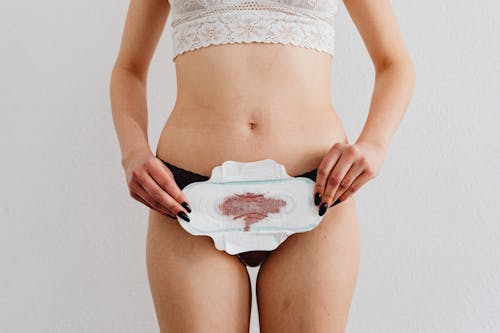
Over 10 million women in the United States face the challenges of heavy bleeding each year. This statistic means that 1 in 5 women share the same concern you may be currently experiencing. Typically, menstrual cycles occur every 28 days, with periods lasting between three to seven days. If your period extends beyond eight days, it is generally considered lengthy. If a heavy flow is significantly impacting your daily life, it may be beneficial to consult with a healthcare professional for guidance.
Key Takeaways
- Normal Blood Loss: On average, women lose between 2 to 5 tablespoons (30-75 ml) of blood during a period. Less than 2 tablespoons is light, while more than 6 can be considered heavy.
- Measuring Your Flow: While challenging, you can estimate blood loss. A menstrual cup with measurement lines offers the most accurate at-home method.
- Causes of Heavy Bleeding: Common causes for a heavier-than-usual flow include IUDs (especially copper), uterine fibroids, and hormonal imbalances.
- Managing Heavy Flow: You can alleviate symptoms by tracking your cycle, using high-absorbency period underwear, consuming iron-rich foods, and staying hydrated.
How much blood do you lose while on your period?
The amount of blood lost during menstruation varies for each person, as we all have different bodies and menstrual cycles. It may often seem like a larger quantity due to the nature of the flow mixed with other fluids. Here’s a simple breakdown of the average blood loss per month:
| Flow Level | Average Blood Loss |
|---|---|
| Light Period | Less than 2 tablespoons (<30 ml) |
| Normal Period | 2 to 5 tablespoons (30-75 ml) |
| Heavy Period | More than 6 tablespoons (>80 ml) |
It's important to note that these are general guidelines, and individual experiences may vary. If you have concerns about the amount of blood you're losing during your period, it's always a good idea to consult with your healthcare provider for personalized advice and guidance. As a general rule, understanding your own body's baseline is the most critical first step.
Is there a way to determine how much you’re actually bleeding?
Determining the exact amount of blood you're losing during your period can be challenging. While a mathematical equation involving the number of pads or tampons used can provide a rough estimate, there are simpler methods available.
One popular option is using a menstrual cup, which offers an easy and effective way to measure blood loss. Menstrual cups often have measurements marked on them, allowing you to see the exact amount of blood collected. However, it's important to note that using a menstrual cup may come with challenges such as difficulty with insertion or removal for some users. To ensure added protection while wearing a menstrual cup and to prevent leaks, it may be beneficial to consider using leak-proof underwear. These provide an additional layer of security, giving you peace of mind.
Causes of Excessive Menstrual Bleeding
Several factors can lead to a heavier flow. Here are some of the most common culprits:
Influence of IUDs
Intrauterine devices (IUDs) can have varying effects on menstrual flow. Depending on the type, it can either reduce or increase your period's intensity. Research suggests that copper IUDs, in particular, may lead to more severe and painful periods for some individuals.
Presence of Uterine Fibroids
Fibroids are noncancerous growths that develop in the muscle tissue of the uterus. If you have fibroids, you may experience longer periods lasting more than 8 or 9 days. Some women also notice increased frequency of their cycle.
Hormonal Imbalances
Imbalances in hormone levels can also contribute to heavy menstrual bleeding. Specifically, elevated estrogen levels and low progesterone levels are often associated with heavier flows. Conversely, low estrogen levels can sometimes lead to lighter bleeding and shorter periods.
Tips for Alleviating Symptoms of Heavy Bleeding
Managing a heavy flow is about finding what works for your body and lifestyle. Here are some practical tips that can make a real difference.
Track Your Period
Keeping a menstrual cycle record allows you to better understand your unique patterns and detect any irregularities. By monitoring your period, you can identify changes in mood and flow, helping you and your doctor diagnose any potential issues.
Consider Period Underwear for Heavy Flow
For those with heavy or ultra-heavy flows, this is where technology meets comfort. A single pair of Beautikini period underwear can hold the equivalent of 4-5 regular tampons, providing odor reduction and eliminating the need for bulky pads.

Four-Layer Shield Technology
Our revolutionary Four-Layer Shield system is designed to provide maximum protection during your period: a soft Cotton Crotch for comfort, a high-capacity Absorbent Layer that locks in fluid, an innovative Waterproof Layer that prevents leaks while remaining breathable, and a durable, quick-drying Main Fabric with UPF 50+ protection.
Utilize Heating Patches
While heating patches may not reduce menstrual flow, they are excellent for alleviating the painful cramps that can accompany heavy bleeding.
Consume Iron-Rich Foods
Heavy periods can sometimes lead to iron deficiency, or anemia. Consuming iron-rich foods, such as green vegetables, raisins, and apricots, can naturally help boost your iron levels.
Engage in Gentle Exercise
Even during a heavy flow, moderate exercise can be beneficial. It helps increase circulation and triggers the release of endorphins, which can alleviate cramping. However, it's crucial to be mindful of your body's limits and listen to any signs of fatigue.
Stay Hydrated
During menstruation, your blood volume can decrease. It is recommended to drink at least 8 cups of water daily. On heavy days, consider increasing that by an additional 4 to 6 cups and hydrating with electrolyte-enriched drinks for added benefits.
Understanding Excessive Menstrual Bleeding (Menorrhagia)
Menorrhagia, the medical term for excessive menstrual bleeding, is a condition characterized by prolonged periods lasting more than 7 days or requiring frequent tampon or pad changes (e.g., every two hours). While menorrhagia is more prevalent among older women, it is less common in younger women. Although heavy bleeding is generally not life-threatening, it can become a concern if significant blood loss occurs over time.
When to Seek Medical Attention
Your health is paramount, and it is important to consult with your doctor if you experience any of the following symptoms:
- Passing quarter-sized or larger blood clots during your period
- Feeling tired and dizzy upon standing up
- Changing 2 or more tampons or pads every hour for 2 consecutive hours
- Experiencing any post-menopausal bleeding
- Bleeding that consistently lasts longer than a week
- Feeling so fatigued that you are unable to perform daily activities
Heavy bleeding is a common reason for women to visit their gynecologist. It is understandable to feel overwhelmed and isolated, but remember that help is available. Discuss your concerns with your doctor to explore suitable treatment options. In the meantime, adopting smart menstrual hygiene best practices and considering solutions like period underwear specially designed for heavy flow can allow you to enjoy your activities without worry.
Ready to experience a worry-free period, even on your heaviest days?
Explore Our Period UnderwearFrequently Asked Questions
Q1: How much blood loss is considered dangerously heavy?
While not typically life-threatening, bleeding is considered excessive or potentially concerning if you are soaking through two or more pads or tampons every hour for several consecutive hours, or if you pass blood clots larger than the size of a quarter. If you experience these symptoms, especially with dizziness or fatigue, it is crucial to consult a healthcare professional.
Q2: Can my period blood loss change from month to month?
Absolutely. It's perfectly normal for your menstrual flow to vary from one cycle to the next. Factors like stress, diet, exercise, and hormonal fluctuations can all impact the amount of blood you lose. The key is to understand your personal 'normal' range and watch for significant, persistent changes.
Q3: Is period 'blood' just blood?
Not entirely. What you see is a combination of blood, the uterine lining (endometrial tissue), and other vaginal fluids. This is why the volume can sometimes seem like more than it actually is and why you might see clots, which are coagulated blood and tissue.
Q4: How can I naturally increase my iron levels during a heavy period?
To combat potential anemia from heavy bleeding, focus on incorporating iron-rich foods into your diet. Excellent sources include leafy green vegetables like spinach and kale, red meat, lentils, beans, and fortified cereals. You can also eat foods high in Vitamin C, like oranges and bell peppers, to improve your body's iron absorption.
Q5: Does exercise make period bleeding heavier?
While it might seem that way, exercise does not increase the total amount of blood you lose during your period. However, physical activity can increase blood flow and sometimes cause a temporary gush as uterine contractions expel blood more quickly. Overall, moderate exercise is highly beneficial for releasing endorphins and alleviating cramps.


