

If you find yourself experiencing urine leakage after using the toilet, you're not alone. This type of urinary incontinence, often referred to as "after-dribble" or overflow incontinence, affects a significant number of women. As someone who has spent thousands of hours in high-performance athletic training, I know how crucial it is to feel secure and in control of your body. Dealing with bladder control issues can be frustrating and may even lead to avoiding regular activities. However, it's important to know that incontinence can often be managed or treated effectively.
Key Takeaways
- Common But Not 'Normal': Post-urination leakage, or "after-dribble," affects many women but isn't something to ignore as it often points to a manageable condition.
- Multiple Causes: Leakage can stem from temporary factors like diet and certain medications, or underlying issues such as weakened pelvic floor muscles, the impacts of childbirth, and hormonal changes.
- A Range of Solutions Exists: Effective solutions vary from medical treatments (like medication or Botox) to lifestyle changes (diet, pelvic floor exercises) and practical management tools like specialized leakproof underwear.
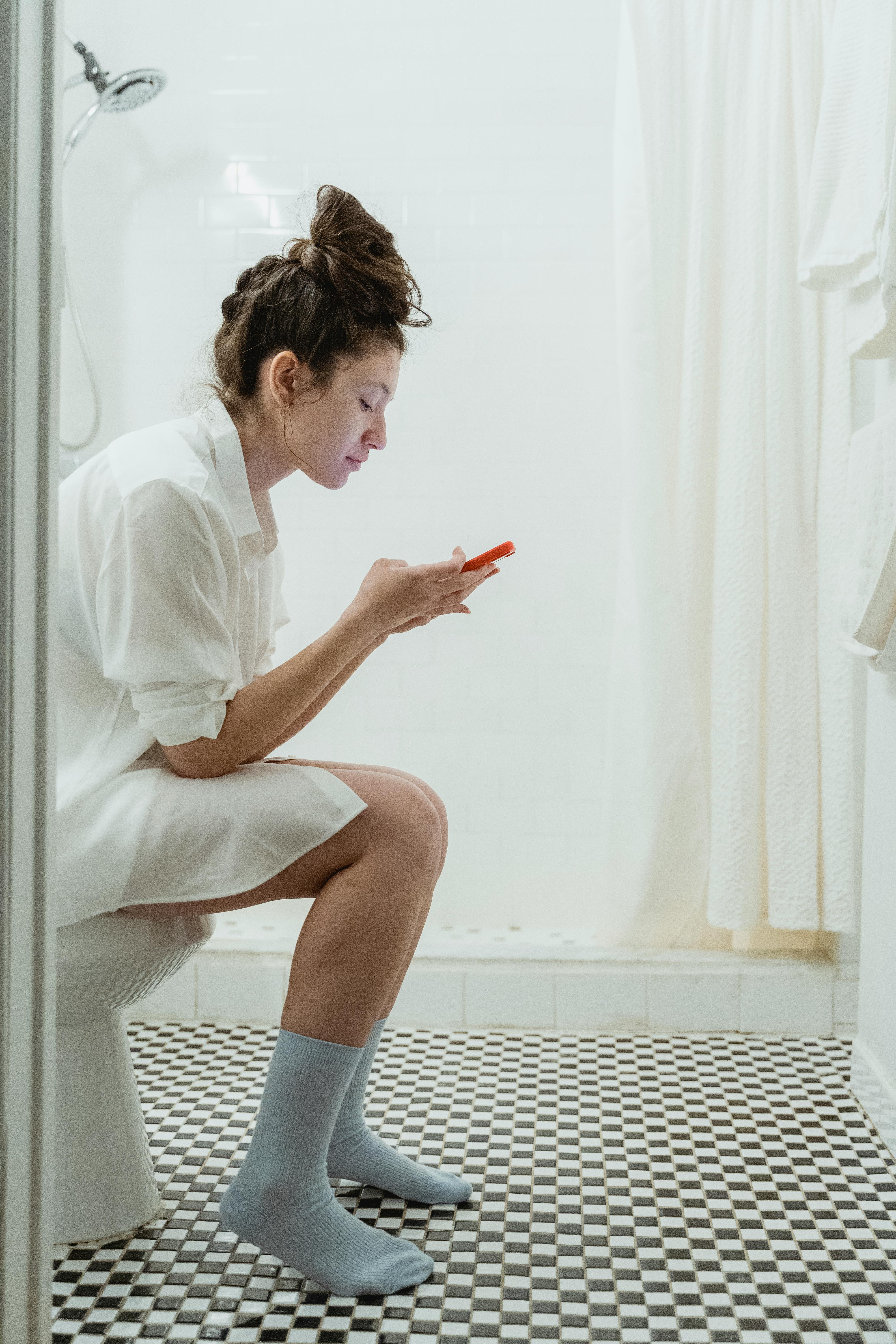
Understanding the Causes of Urine Leakage
Urinary incontinence can stem from everyday habits, underlying medical conditions, or physical problems. A comprehensive evaluation by a healthcare professional is the best way to determine the specific cause of your incontinence. Let's break down the common culprits.
| Category of Cause | Specific Examples |
|---|---|
| Temporary or Dietary Factors | Certain beverages, foods, and medications can act as diuretics. These include alcohol, caffeine, carbonated drinks, artificial sweeteners, chocolate, chili peppers, spicy/sugary/acidic foods, and even large doses of vitamin C. |
| Treatable Medical Conditions | Conditions like urinary tract infections (UTIs) can irritate the bladder, leading to strong urges and occasional incontinence. Constipation can also be a factor, as hardened stool can activate nerves shared with the bladder, increasing urinary frequency. |
| Underlying Physical Changes | Persistent issues are often linked to physical changes like hormonal shifts during pregnancy, weakened pelvic floor muscles from childbirth, age-related decline in bladder muscle function, or decreased estrogen after menopause. In some cases, tumors, urinary stones, or neurological conditions can also be the cause. |
Myth vs. Reality
Myth: A little leakage after peeing is just a normal part of aging you have to live with.
Reality: While bladder function can change with age, leakage is a treatable condition, not an inevitable sentence. Pelvic floor exercises are effective at any age, and modern solutions like specialized underwear can completely manage symptoms and restore quality of life. According to health resources like the Mayo Clinic, strengthening these muscles can significantly help. Believing leakage is 'normal' often prevents people from seeking simple, effective solutions.
How Can I Prevent Urine Leakage After Using the Toilet?
Fortunately, there are various medical treatments and lifestyle adjustments available to address urinary leakage. Your doctor can help you find the right path forward.
Common Medical Solutions
Your doctor might recommend one of the following approaches:
- Medications: Certain drugs can help improve bladder function, increase its capacity, and reduce urgency.
- Botox: When injected into the bladder lining, Botox can relax the muscles and reduce overactivity, preventing leakage.
- Urethral injections: Supportive injections near the urethra can provide additional support to help prevent leakage.
- Bladder sling surgery: In some cases, a surgeon places a mesh sling under the urethra to provide support and prevent leakage.
Tips for Managing Urine Leakage at Home
If you prefer to explore non-medical options first, here are some effective tactics you can try:
- Dietary adjustments: Try avoiding foods and drinks known to irritate the bladder. Common culprits include alcohol, artificial sweeteners, caffeine, carbonated beverages, chocolate, citrus fruits, tomatoes, corn syrup, and spicy foods.
- Weight management: Losing excess weight can help alleviate symptoms, as it reduces the pressure on your bladder and pelvic floor muscles.
- Pelvic floor exercises: Performing exercises like Kegels can significantly strengthen the pelvic floor muscles and improve bladder control. The "Knack" method, which involves contracting these muscles during activities that trigger leakage (like coughing), is also highly effective.
- Leak-proof protective underwear: Using purpose-built underwear, such as Beautikini Leakproof Underwear, provides an essential layer of protection to keep you dry, comfortable, and confident throughout the day.
Your Path to a Drier, More Confident You
By identifying the underlying cause of urine leakage and seeking the right management options, you can dramatically improve your symptoms and reclaim your freedom. While discussing long-term solutions with your doctor, remember that immediate comfort and peace of mind are also important.
Products like leakproof underwear are designed to eliminate the unpleasant feeling of wet undergarments, giving you a reliable option for enhanced confidence while you explore other treatments. Avoid the discomfort and embrace a solution that keeps you dry around the clock.
Ready to experience all-day comfort and confidence?
Explore Leakproof UnderwearFrequently Asked Questions
Q1: Is it normal to experience urine leakage after using the toilet?
While it's a common issue, experiencing urine leakage after using the toilet is not considered medically "normal" and often points to a manageable condition. Temporary leakage can be triggered by factors like alcohol, intense coughing, or even extreme laughter. However, if it's persistent, it's worth investigating the underlying cause.
Q2: Will drinking less water help with urine leakage?
While it might seem logical, severely restricting your water intake can be counterproductive. Dehydration can lead to more concentrated urine, which can irritate the bladder lining and potentially worsen urinary urgency and leakage. It's generally better to maintain healthy hydration while addressing the root cause of the leakage with your doctor or a pelvic floor specialist.
Q3: Can urine leakage be cured?
Yes, in the vast majority of cases, urinary leakage can either be cured or significantly improved. Through a combination of targeted treatments like pelvic floor exercises, lifestyle adjustments, medication, and effective management strategies, most individuals can find substantial relief and alleviate their symptoms.
Q4: What are the consequences of untreated bladder incontinence?
If left unmanaged, persistent urinary incontinence can negatively impact various aspects of your life. It can lead to sleep disturbances, increase feelings of depression and anxiety, and cause a loss of interest in activities you once enjoyed, including sex. If your quality of life is being affected, it is highly advisable to seek professional medical advice.
Q5: When should you schedule an appointment with a doctor for urine leakage?
You should consult your primary care provider if urine leakage is causing you embarrassment or causing you to avoid important activities. Specifically, seek medical attention if you frequently feel a strong, sudden urge to urinate, rush to the bathroom but sometimes don't make it in time, or if you often feel the need to urinate but struggle to pass urine. These can be signs of an underlying issue that requires evaluation and proper treatment, and resources from trusted bodies like the CDC on general hygiene can provide helpful context.


