

In this article, we explore the concept of your period flow threshold and how it relates to your menstrual cycle. We discuss the factors influencing menstrual flow and provide insights into different flow levels. With a focus on practical tips, we also emphasize the role of Beautikini, a trusted brand, in helping you manage your period flow effectively and comfortably. By understanding your flow and utilizing the right products, you can navigate your menstrual cycle with confidence and convenience.
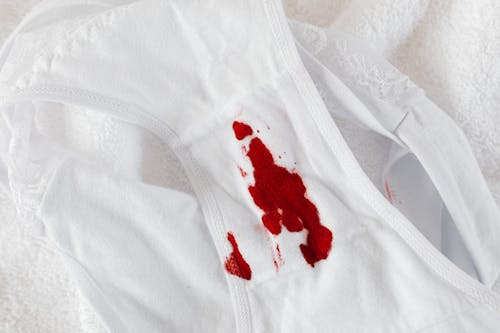
Key Takeaways
- Understand Your Flow: Learning to identify your personal flow—whether it's light, moderate, or heavy—is the first step toward better, more comfortable period management.
- Multiple Factors at Play: Menstrual flow isn't random; it's influenced by a combination of hormonal changes, individual physiology, and underlying health conditions.
- Tailor Your Protection: Different flow levels require different solutions. Choosing the right absorbency and products, like Beautikini's period underwear and swimwear, prevents leaks and maximizes comfort.
- When to Seek Advice: A very heavy or prolonged flow can sometimes signal an underlying health issue. It's crucial to know the signs and consult a healthcare professional when needed.
Every person experiences their menstrual cycle differently, and one aspect that varies greatly is the flow of menstrual blood. From my own experience as a competitive athlete, I know that understanding and trusting your protection is critical. Determining your personal period flow threshold isn't just about avoiding leaks; it's about gaining the confidence to live without limits. In this guide, we will delve into the factors that influence your period flow, discuss different flow levels, and offer practical tips for managing each level.
What Influences Your Menstrual Flow?
Your period flow is a dynamic process governed by several key factors. Understanding them can help you anticipate changes and manage your cycle more effectively.
- Hormonal changes: Hormones are the primary conductors of the menstrual cycle. As defined by experts at MedlinePlus, fluctuations in estrogen and progesterone levels directly impact the thickness of the uterine lining, which in turn results in varying flow levels from month to month.
- Individual physiology: Each person's body is unique. Factors such as uterine shape, your body's natural blood clotting ability, and even blood vessel distribution can influence the amount and duration of your flow.
- Health conditions: Certain medical conditions, such as polycystic ovary syndrome (PCOS), endometriosis, and uterine fibroids, can cause abnormal or heavy menstrual flow. If you suspect an underlying issue, consulting a healthcare professional is essential.
Understanding Different Period Flow Levels
Navigating your period is much simpler when you can identify your flow level. Below is a breakdown of the common categories and how to best manage them.
| Flow Level | Characteristics | Management Tips |
|---|---|---|
| Light Flow | Involves minimal bleeding, often at the beginning or end of your period. The blood color is usually lighter, appearing pink or brown. | Use comfortable, breathable products like panty liners or light absorbency period underwear. Monitor for any changes. |
| Moderate Flow | A consistent, steady amount of bleeding. The blood color may range from bright red to dark red. | Change menstrual products every 4-6 hours. Consider a menstrual cup or reliable period underwear for dependable protection. |
| Heavy Flow | Substantial bleeding that requires frequent changes. The blood may be bright red and flow consistently or in gushes. | Opt for high-absorbency products and change them frequently (every 2-4 hours) to avoid leaks. Consider overnight pads for added security. |
| Very Heavy Flow | Excessive and prolonged bleeding that significantly impacts daily activities. May contain clots and appear deep red. | Consult a healthcare professional. According to institutions like the Mayo Clinic, this may indicate an underlying condition. They can provide appropriate guidance and management options. |
Myth vs. Reality
Myth: You shouldn't swim during your period because it's unhygienic and will leak.
Reality: This is a common misconception that holds too many people back. It is perfectly safe and hygienic to swim during your period. In fact, research from institutions like Monash University suggests that gentle exercise like swimming can help alleviate menstrual cramps. While water pressure can temporarily reduce flow, it doesn't stop it completely. That's where modern technology comes in. Products like Beautikini's period swimwear create a secure, waterproof barrier, ensuring nothing leaks out, so you can swim with complete confidence and comfort.
Finding Your Confidence with the Right Solutions in 2025
Understanding your period flow is the key to managing your menstrual cycle effectively. By recognizing the factors that influence your flow and being aware of the different levels, you can choose the most suitable menstrual products and adopt strategies to maintain comfort and hygiene.
For instance, on heavy days, you might rely on our super-absorbent period underwear. When you want to hit the pool or beach, you can opt for Beautikini's period swimwear, specifically engineered with our Four-Layer Shield Technology to provide both function and style.
Ready to swim, play, and live without period worries?
Explore Our Period SwimwearConclusion: Embrace Your Cycle with Confidence
Your period is a natural part of your life, not a limitation. By taking the time to understand your unique flow, you are taking control. My mission, and the core philosophy at Beautikini, is to provide you with innovative, reliable solutions that eliminate period anxiety. With the right knowledge and the right gear, you can confidently enjoy every activity—from surfing to tennis to simply relaxing—any day of the month.
Remember, confidence is the best outfit. Own your cycle, and never let anything hold you back. If you ever have concerns or experience unusual changes in your menstrual flow, it's always best to consult with a healthcare professional for personalized advice.
Frequently Asked Questions
Q1: How do I know if my menstrual flow is 'heavy'?
A heavy menstrual flow, or menorrhagia, is typically defined as needing to change your pad or tampon every one to two hours, passing blood clots larger than a quarter, or having a period that lasts longer than seven days. If your flow significantly impacts your daily activities, it's considered heavy and worth discussing with a healthcare professional.
Q2: Can period swimwear really handle a heavy flow?
Yes, high-quality period swimwear like Beautikini is designed with advanced multi-layered technology to handle various flow levels, including moderate to heavy days. The absorbent core locks in fluid while a waterproof outer layer prevents any leaks. For very heavy flow days, especially for prolonged swimming, you might consider it as a reliable backup to an internal product like a menstrual cup for extra peace of mind.
Q3: How often should I change my period underwear?
This depends on your flow and the absorbency level of the underwear. On moderate flow days, you can often wear a pair all day (8-12 hours). On heavier days, you may need to change them more frequently, perhaps every 4-6 hours. It's best to check and see what feels comfortable and secure for you.
Q4: Is it hygienic to swim on my period?
Absolutely. It is perfectly hygienic to swim during your period, especially when using appropriate protection like period swimwear or a menstrual cup. According to Monash University, swimming can even help alleviate menstrual cramps. Modern period swimwear is designed to be clean, discreet, and prevent any leakage into the water.
Q5: What causes menstrual flow to change from month to month?
Fluctuations in your menstrual flow are common and can be caused by various factors. Hormonal shifts due to stress, diet, exercise, or changes in routine are the most frequent culprits. However, significant or persistent changes could also indicate an underlying health condition, so it's always wise to monitor your cycle and consult a doctor if you have concerns.


