

The timing of a woman's first period after giving birth can vary significantly. For some, it may arrive as early as 6 weeks postpartum, while for others, menstruation might not return until they stop breastfeeding entirely. This delay is largely thanks to the hormone prolactin, which plays a dual role in supporting milk production and suppressing ovulation.
As a result, following a strict and exclusive breastfeeding regimen can often postpone the return of your period. However, even with consistent nursing, it's still very possible to experience spotting. This light bleeding is often the first indication that your body is preparing for your cycle to return.
Key Takeaways
- Hormonal Influence: Spotting is often a sign of your menstrual cycle returning, influenced by the hormone prolactin, which supports milk production but suppresses ovulation. It's a normal part of the postpartum journey.
- Temporary Milk Supply Dip: It's common to see a temporary decrease in milk supply due to hormonal shifts around your period. This is not a cause for alarm and your supply typically returns to normal once the spotting subsides.
- Management is Key: You can manage unexpected spotting comfortably with convenient solutions like period underwear and address milk supply dips by nursing frequently and staying hydrated.
- Postpartum Bleeding vs. Spotting: It's important to know the difference between normal postpartum lochia (which can last up to six weeks) and the return of menstrual spotting, which occurs later.
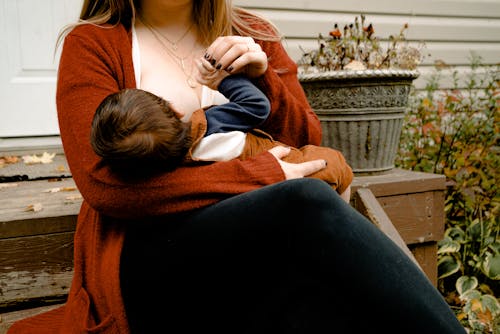
What Causes Spotting After Pregnancy?
After giving birth, a woman's body undergoes significant hormonal and physical changes. It is common for women to experience bleeding for up to six weeks postpartum. This discharge, known as Lochia, isn't a true period; it's the body's way of expelling the uterine lining and consists of blood, placenta tissues, and mucus. The color and consistency of Lochia will change from bright red to pink or brown, and finally to a yellowish-white over this period.
This postpartum bleeding is a completely normal part of the recovery process. Managing it comfortably is key, and many find that using heating pads for cramps and wearing comfortable, reliable period underwear makes this healing phase much more manageable.
Can Spotting Affect Milk Supply?
Yes, it's not uncommon for some women to experience a temporary decrease in milk supply during their menstrual cycle. Spotting is a signal of the hormonal changes associated with menstruation, which can lead to a drop in prolactin, the primary hormone responsible for milk production. This dip in prolactin levels can temporarily affect milk volume.
However, it's crucial to understand that this is almost always temporary and harmless to both the baby and the mother. Once the spotting or period ends, milk supply typically returns to its normal level. You might notice your baby wants to breastfeed more frequently during this time, which is their natural way of compensating and helping to stimulate your supply back up.
Myth vs. Reality
Myth: Spotting while breastfeeding means my milk is "going bad" or I have to stop nursing.
Reality: This is a persistent but incorrect myth. Spotting is purely a hormonal signal and has no negative effect on the quality or safety of your breast milk. While your supply quantity might dip temporarily, your milk remains the perfect, nutrient-rich food for your baby. According to health authorities like the U.S. Centers for Disease Control and Prevention (CDC), continuing to breastfeed is recommended. The best response is to continue nursing on demand to support your supply and comfort your baby.
How to Increase Milk Supply During Your Period
If you're concerned about a dip in milk supply, there are several effective strategies you can use to give it a boost. Think of these as sending a clear message to your body to ramp up production.
| Strategy | Why It Works |
|---|---|
| Breastfeed Frequently | Nursing your baby as often as possible directly stimulates the release of prolactin, the key hormone for milk production. |
| Power Pumping | This technique involves pumping for short periods with short breaks, mimicking a baby's cluster feeding to powerfully stimulate supply. |
| Stay Well-Hydrated | Dehydration can become more common during your period and directly affects milk volume. Keep a water bottle handy and sip throughout the day. |
| Avoid Supplementing | To maintain a strong milk supply, it’s best to avoid supplementing with formula. Focus on exclusive breastfeeding to let supply-and-demand work its magic. |
| Switch Breasts & Pump | Ensure you switch breasts during feedings. Consider pumping the opposite breast if your baby finishes quickly to ensure both are fully stimulated. |
In my experience, besides staying hydrated, some nutritional support is also key. Around my period, I consciously add oatmeal to my breakfast. It not only provides energy but is also believed by many moms to help stabilize milk supply. Of course, it's best to consult your doctor before trying any supplements.
Remember, each woman's body is unique. If you have ongoing concerns, consulting with a lactation consultant or your healthcare provider can provide personalized guidance and support.
Practical Tips for Managing Spotting While Breastfeeding
Spotting while breastfeeding is common and manageable. Instead of letting it cause you worry, here are some practical tips to address the issue and maintain a healthy, happy breastfeeding relationship:
- Continue Breastfeeding: It is crucial not to stop breastfeeding when spotting occurs. Even with a temporary dip, consistent nursing signals your body to continue producing milk. Once the spotting stops, your supply should rebound.
- Address Nipple Tenderness: Hormonal shifts can cause nipple tenderness. If nipple sensitivity occurs, you can try applying a small amount of pure lanolin cream after nursing or use chilled gel pads for relief. These little tricks were a great help to me when testing products and during high-intensity training, and they apply just as well to the discomfort of breastfeeding.
- Use a Heating Pad: To alleviate any cramps that accompany your period's return, opt for a heating pad on your abdomen. This provides direct relief without the need for medications that could pass through your breast milk.
- Embrace Period Underwear: Unpredictable spotting can be frustrating. Using period underwear is a game-changer. These specially designed briefs provide various levels of absorbency, offering incredible convenience and comfort. They eliminate the hassle of pads and can be worn all day with confidence.
Ready to experience postpartum comfort and peace of mind?
Explore Our Period UnderwearYour Body, Your Journey
Remember, after childbirth, your body navigates a multitude of changes, and breastfeeding is a special bonding experience that is unique to you and your baby. While spotting during this time is normal and usually lasts only a few days, it’s a sign of your body’s incredible ability to adapt.
I'll never forget the transition from being an NCAA swimmer to a new mom; every physical change came with new challenges and realizations. Remember, postpartum recovery isn't a race, but a journey. Be gentle with yourself, trust your body, and use the best technology to support you.
Frequently Asked Questions
Q1: Is it normal to experience spotting while breastfeeding?
Yes, it is very common. Spotting while breastfeeding is often one of the first signs that your menstrual cycle is returning. The hormone prolactin, which is high during breastfeeding to support milk production, suppresses ovulation. As your nursing patterns change or your baby gets older, prolactin levels can fluctuate, allowing your cycle to restart, which often begins with light spotting before a full period.
Q2: Does postpartum spotting affect my breast milk quality?
Absolutely not. The hormonal changes that cause spotting do not negatively impact the quality or nutritional value of your breast milk. While you might notice a temporary, slight decrease in the quantity of milk, it remains the perfect and safest food for your baby.
Q3: How is postpartum spotting different from lochia?
Lochia is the normal postpartum bleeding that occurs for up to six weeks after giving birth as your uterus sheds its lining. It typically starts heavy and red, gradually lightening in color and flow. Spotting related to your menstrual cycle, on the other hand, usually occurs after the lochia has completely stopped and is much lighter, often appearing as pink or brown discharge.
Q4: How long does spotting typically last when breastfeeding?
Menstrual-related spotting is usually short-lived, lasting only a few days. It can be irregular at first as your body's hormones regulate. If you experience continuous, heavy, or prolonged bleeding, it's always best to consult your healthcare provider to rule out any other issues.
Q5: What's the best way to manage spotting while staying active?
For managing light, unpredictable spotting, high-quality period underwear is an excellent solution. They offer built-in, reliable protection that feels just like regular underwear, eliminating the need for pads. This allows you to stay comfortable and confident throughout your day without worrying about leaks, which is especially helpful for new moms who are already juggling so much.


