

If you're looking for ways to make your periods more eco-friendly, you're in the right place. Whether you're motivated by a desire to protect our planet or to address the challenges of period poverty, there are compelling reasons to opt for sustainable period products that are better for both our bodies and the environment.
The term "sustainable period products" encompasses a fantastic range of reusable menstrual items. The most commonly used types include reusable sanitary pads, reusable tampons, period underwear, and menstrual cups. Each of these different eco-friendly menstrual products offers unique benefits, and I've found that the choice of sanitary protection is a deeply individual and personal one.
Key Takeaways
- Diverse Options Available: You can choose from a wide range of sustainable period products, including reusable cloth pads, menstrual cups, period swimwear, and reusable tampons, to find what best suits your lifestyle.
- Environmental & Financial Wins: Switching to reusables drastically reduces landfill waste (up to 150 kg per person) and offers significant long-term savings, helping to combat period poverty.
- Health-Conscious Choice: Eco-friendly menstrual products typically use body-safe materials like cotton and medical-grade silicone, reducing exposure to the plastics and chemicals found in many disposables.
A Comparative Look at Popular Reusable Options
Let's dive into the specifics of each option to help you make an informed choice.
| Product Type | Best For | Key Benefit | Main Consideration |
|---|---|---|---|
| Cloth Sanitary Pads | Daily wear, comfort, sensitive skin. | Highly breathable and soft materials. | Requires regular washing. |
| Menstrual Cup | Long-term use, active lifestyles. | Can be worn for up to 12 hours; lasts for years. | Learning curve to find the right fit and insertion. |
| Period Swimwear | Swimming, sports, and active water days. | Provides total freedom and leak-proof confidence in water. | Typically lower absorbency than overnight pads. |
| Reusable Tampons | Those who prefer internal protection but dislike cups. | Familiar design and easy to use. | Lower absorbency; requires washing and sterilizing. |
Cloth Sanitary Pads
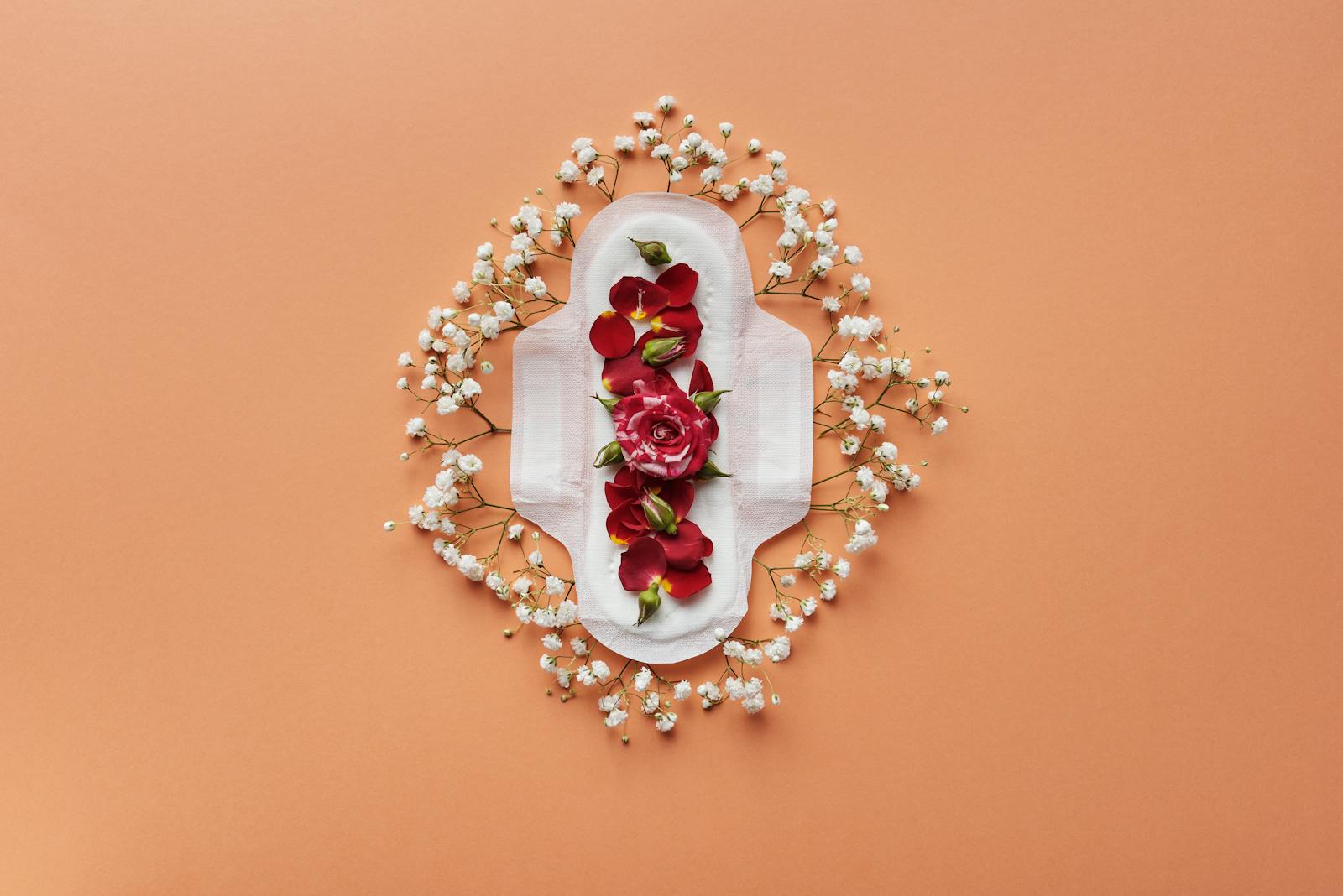
Reusable pads, also known as cloth sanitary pads, look and function much like disposable pads, attaching to your underwear with poppers or velcro. They come in various absorbencies, from light panty liners to heavy-duty postpartum pads.
These pads are crafted from different materials, with the most common being cotton, organic cotton, bamboo, or polyester. Each fabric offers its own benefits. In my experience, materials like organic cotton are fantastic for sensitive skin. Compared to disposable products, which can be up to 90% plastic, cloth sanitary pads are significantly more breathable and far more comfortable against the skin.
Potential Drawbacks of Cloth Pads
While fantastic, it's good to be aware of the practicalities. Key considerations include the need for increased washing (though it adds minimal bulk to laundry), and the logistics of carrying used pads when you're out. However, with handy wet bags, this is easily managed, and you never have to worry about finding a bathroom bin again!
Reusable Menstrual Cup
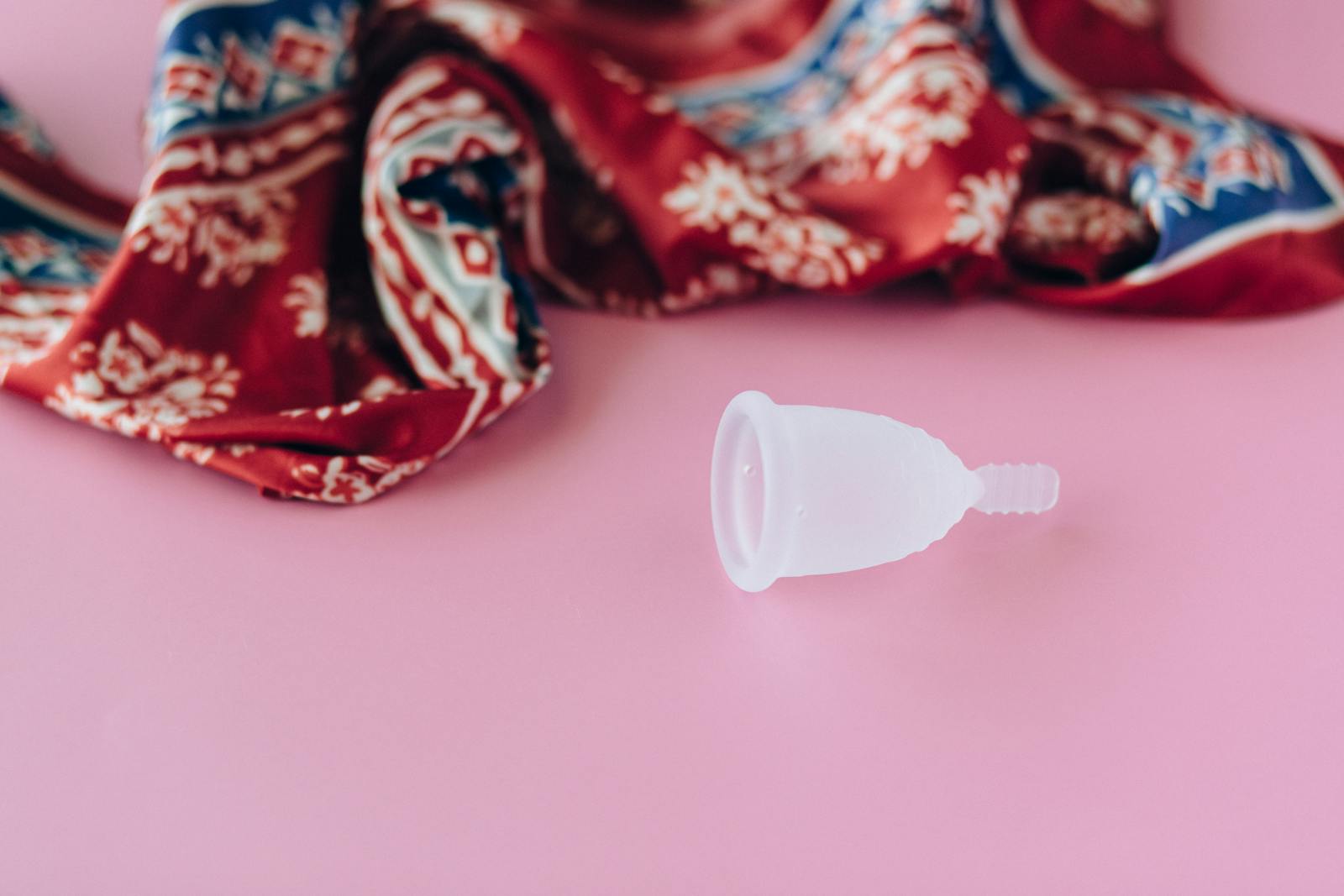
A menstrual cup is a reusable internal product, typically made from medical-grade silicone, that is inserted into the vaginal canal to collect menstrual fluid. The beauty of a menstrual cup is that a single cup can manage your entire period and can last for up to 10 years, making it an incredibly cost-effective and environmentally friendly choice.
To find the right cup for you, there are three key factors to consider:
- Cervix height: Knowing your cervix height helps determine the appropriate length for your cup.
- Pelvic floor strength: This is important for cup firmness. A stronger pelvic floor, especially if you're active, may require a firmer cup to ensure it stays in place.
- Flow intensity: While cups collect rather than absorb, a heavier flow might mean you need a cup with a higher capacity or plan to empty it more frequently.
Potential Drawbacks of Menstrual Cups
The main challenge can be finding the perfect fit, which might involve some trial and error. As they are worn internally, they aren't suitable for everyone, and it's important to remember that as our bodies change (e.g., after childbirth), you may need to reassess your cup's size and fit.
Period Swimwear: A Game-Changer for Active Lifestyles

Period swimwear, sometimes called menstrual swim bottoms, looks just like regular swimwear but features a discreet, built-in absorbent gusset. At Beautikini, our designs can absorb the equivalent of 1 to 3 tampons' worth of fluid and can be worn for hours, thanks to a moisture-wicking layer that keeps you feeling dry and comfortable. For young people and teens, they are an absolute game-changer for school swim days or beach holidays.
While changing mid-day can be a consideration, the freedom and confidence they provide in the water are, in my opinion, unparalleled. They truly embody the idea of living without limits.
Myth vs. Reality
Myth: Any swimwear labeled 'leak-proof' is effective for periods.
Reality: This is a critical misconception. As a textile engineer, I can tell you that true period swimwear requires more than just a waterproof layer. It needs a specialized multi-layer system: a top layer to wick moisture away from the skin, a super-absorbent core to trap fluid, and finally, a waterproof barrier to prevent any leaks. A simple waterproof fabric alone won't provide the necessary absorption and can lead to discomfort and leaks. Always look for designs that explicitly detail their multi-layer absorbent technology.
Reusable Tampons
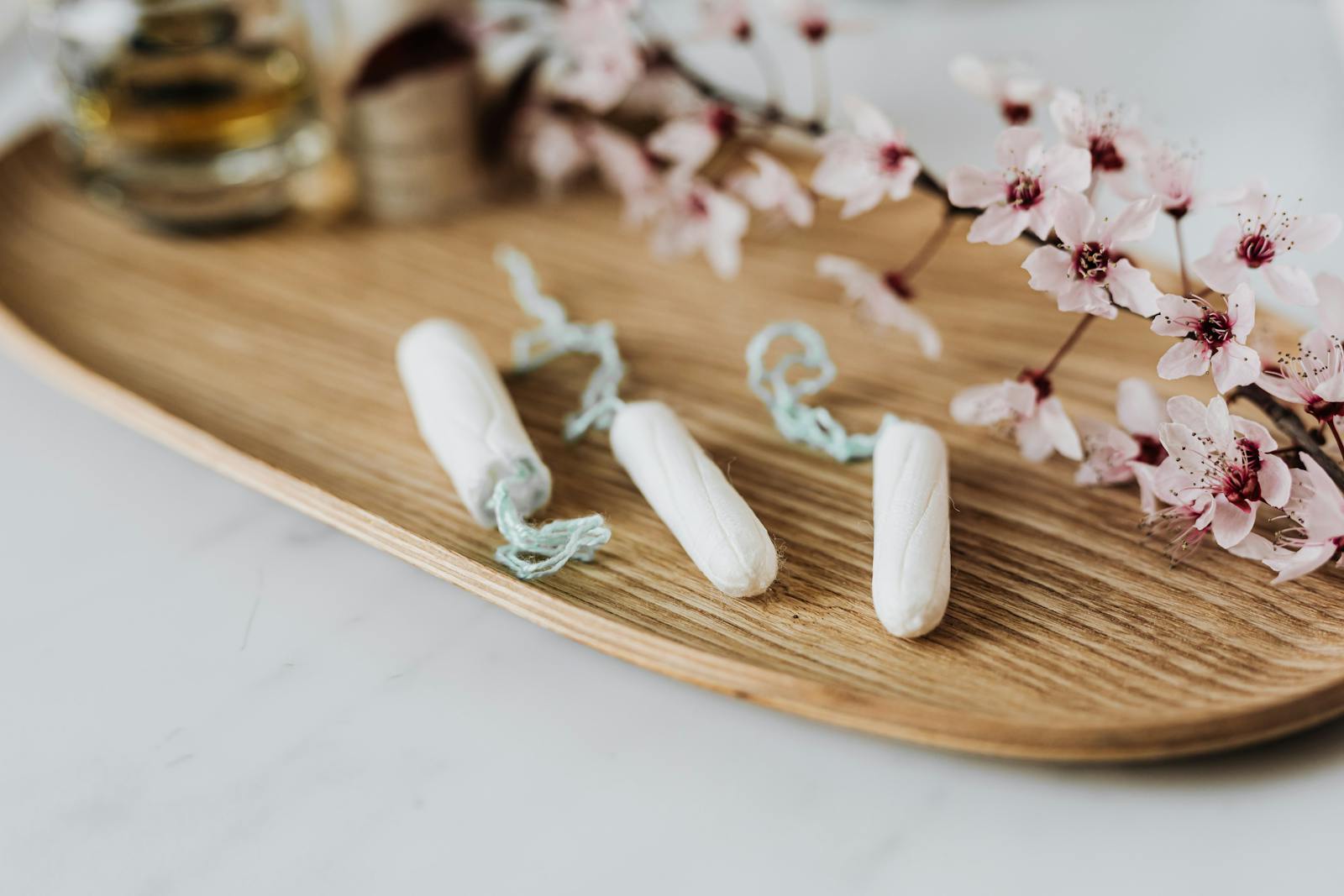
Reusable tampons, typically made from cotton, closely resemble their disposable counterparts. If you prefer internal menstrual products but haven't gotten on with menstrual cups, these can be a viable alternative. They function similarly to disposables, are easy to use, but do require both washing and sterilizing between periods.
Cons of Reusable Tampons:
They may not be as absorbent as other options, making them more suitable for medium flow days. The extra step of both washing and sterilizing adds to their maintenance, and like disposable tampons, they can sometimes cause dryness or discomfort upon removal if not fully saturated.
Why Make the Switch to Reusable Menstrual Products in 2025?
There are various compelling reasons why so many people are choosing to switch to reusable menstrual products. The main motivations I've encountered fall into three key areas:
- Environmental Concerns: Using reusables is a much more eco-friendly choice. A person can generate 100-150 kg of period product waste in their lifetime. By opting for reusable products, you dramatically reduce plastic waste and your carbon footprint. For more on this, the United Nations Environment Programme highlights how sustainable menstruation is key to global environmental goals.
- Economic Reasons: Period poverty is a global issue, and the monthly cost of disposables (around £10) adds up. In contrast, a set of cloth pads or a menstrual cup can last for 5-10 years for a one-time cost of around £100, providing immense long-term savings.
- Menstrual Health Reasons: Disposable pads can contain the plastic equivalent of five plastic bags and other chemicals that may irritate the skin. Transitioning to eco-friendly materials like organic cotton can significantly improve comfort and reduce irritation, promoting a healthier period.
The Final Verdict: What's the Best Choice for You?
While options like organic or biodegradable tampons are a step in the right direction, they don't fully eliminate waste. Truly reusable alternatives like pads, cups, and period swimwear are the most sustainable choices.
From a purely environmental standpoint, the menstrual cup often comes out on top. A single cup can last a decade, producing only 0.4% of the CO2 emissions of disposables. However, the most sustainable product is the one you will actually use and love. It's essential to consider what will work best for your everyday life. Remember, any reusable product is a significant improvement over single-use options.
Ultimately, making an informed choice about your period care is an empowering step towards a more sustainable and confident lifestyle. By exploring these eco-friendly menstrual products, you're not just making a better choice for the planet, but also for yourself. Ready to find the perfect fit and embrace the freedom of a truly worry-free period?
Frequently Asked Questions
Q1: What are the most popular types of eco-friendly menstrual products?
The most common and popular eco-friendly period products include reusable cloth pads, menstrual cups, period underwear (including period swimwear), and reusable tampons. Each offers a sustainable alternative to single-use disposables.
Q2: How much waste can I save by switching to reusable period products?
By switching to reusable products, an individual can prevent an estimated 100-150 kg of period product waste from entering landfills over their lifetime. This is a significant reduction in personal environmental impact.
Q3: Are menstrual cups difficult to use?
There can be a learning curve with menstrual cups, and it might take a few cycles to find the right fit and insertion method. However, once you find the right cup for your body (considering cervix height and pelvic floor strength), many users find them to be a very comfortable and convenient 'set-it-and-forget-it' option.
Q4: Is period swimwear really effective for swimming on your period?
Yes, absolutely! Modern period swimwear, like the kind we design at Beautikini, uses advanced multi-layer technology. It features a moisture-wicking top layer, a highly absorbent core, and a waterproof barrier to prevent any leaks, giving you complete freedom and confidence in the water.
Q5: How do I clean and care for reusable menstrual products?
Care instructions vary by product. Generally, cloth pads and period underwear can be rinsed in cold water and then washed with your regular laundry. Menstrual cups should be emptied, rinsed, and then sterilized (usually by boiling) between cycles. Always check the manufacturer's specific guidelines for best results and longevity.


