

For parents & teens: a guide to the best period swimwear for teens.
Is your teen concerned about swimming while menstruating? It's an incredibly common worry among young people who get their periods, but let's put those fears to rest! I'm here to provide some expert guidance on navigating swimming during that time of the month with absolute confidence.
Key Takeaways
- Swimming is Safe & Recommended: Not only is it completely possible to swim during a period, but exercise like swimming can actually help relieve menstrual cramps by releasing endorphins.
- Protection is Key: Modern period products like tampons, menstrual cups, and specialized period swimwear provide reliable, leak-proof protection, eliminating worry.
- Period Swimwear is a Game-Changer: For tweens or anyone not comfortable with internal products, period swimwear offers a seamless, stress-free solution that looks and feels just like a regular swimsuit.
- Hygiene is Simple: Swimming in a chlorinated pool is hygienic. The most important practice is to change out of wet swimwear and replace your period product soon after leaving the water.
The short answer is: **yes, swimming on your period is completely possible** and should never stop your teen from enjoying the activities they love. With the right period protection, they can confidently participate in swimming lessons, dive into the pool at a party, or relax on the beach without any issues.
Many young menstruators share the same concerns: the fear of leaving a trail of blood in the water, a tampon string showing, or period stains on their swimwear. Rest assured, these worries are valid, common, and, most importantly, completely solvable.
Let's dive into the age-old question of swimming on your period and explore how to do it with confidence in 2025.
Can You Swim While On Your Period?
Absolutely! Thanks to the fantastic innovation in period products like tampons, menstrual cups, and especially period swimwear, teens can swim comfortably while menstruating. With the appropriate protection, there is no need to worry about leaks in or out of the water.
Even better, swimming can actually help ease menstrual cramps. Gentle exercise releases endorphins, which are the body's **natural painkillers**. As leading institutions like the Mayo Clinic explain, aerobic activities can significantly soothe PMS symptoms.
Moreover, when your teen enters the pool or ocean, the water pressure can temporarily slow down their flow. However, it's not a foolproof method. Any sudden movements, a cough, or even a big laugh can reduce that pressure and result in some leakage. To ensure a truly worry-free experience, it is essential for your teen to wear something designed to absorb their menstrual flow.
Which Period Products Work Best for Swimming?
There are several excellent options for teens who want to swim during their period. The best choice ultimately depends on personal preference and comfort, so your teen may need to try a few different products to find their perfect fit.
| Product | How It Works | Best For |
|---|---|---|
| Tampons | Internal product that absorbs menstrual blood before it leaves the body. | Teens comfortable with insertion. It is recommended to use a fresh tampon before swimming. |
| Menstrual Cups | Internal, reusable cup that collects blood. Can be worn for up to 12 hours. | Eco-conscious teens; may have a steeper learning curve for insertion and removal. |
| Period Swimwear | Looks like regular swimwear but has a built-in, multi-layered absorbent and leak-proof lining. | Excellent for beginners, anyone uncomfortable with internal products, or as a backup for a truly worry-free swim. |
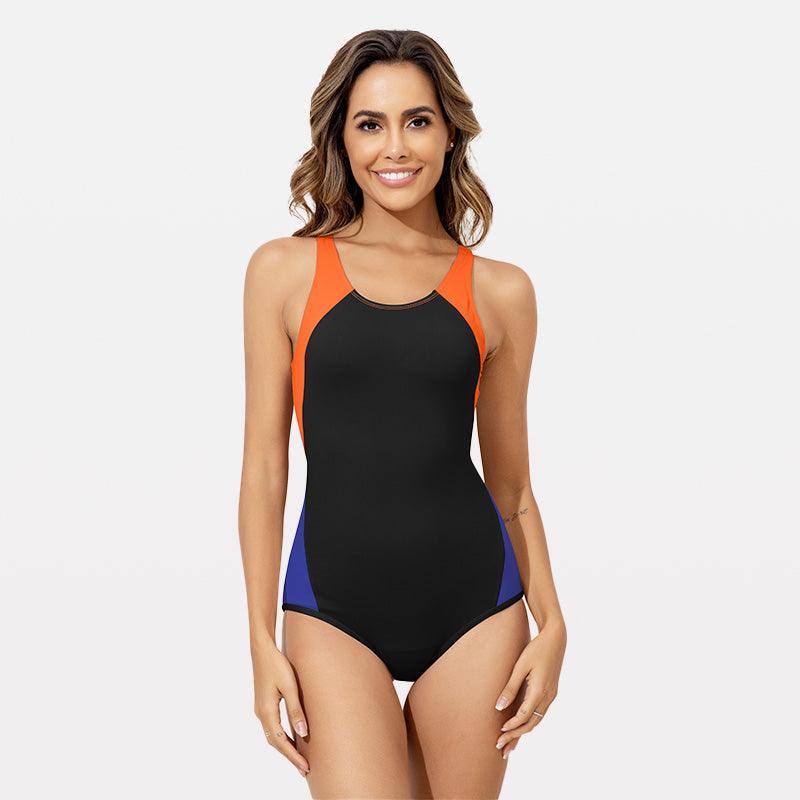
If your teen is uncomfortable with the idea of using tampons or menstrual cups, period swimwear is a phenomenal alternative. It’s designed to look and feel exactly like regular swimwear but features a discreet, highly absorbent, and leakproof lining to catch menstrual blood. This makes it an ideal option for anyone, especially tweens and beginners who prefer not to use internal products. Be sure to check out the Beautikini collection, which is specifically designed with teens in mind.
What if There Is a Leak in the Water?
With proper period protection that's changed regularly, leaks are highly unlikely. However, if a small leak does occur while swimming, there is absolutely no need to panic. In a large body of water like a pool, lake, or ocean, the tiny amount of blood will dilute instantly and become completely unnoticeable. Your teen can carry on swimming without any concerns.
To be extra prepared, they can always carry an extra tampon or have a backup pair of period underwear in their bag, just in case.
To further minimize the appearance of any potential stains on swimwear, you can opt for darker-colored swimsuits. Beautikini offers a fantastic range of period swimwear in stylish dark colors, including both one-pieces and individual bikini bottoms, which many menstruating teens love for that extra peace of mind.
Is Swimming While on Your Period Hygienic?
Yes, it's perfectly hygienic to swim while on your period. The likelihood of getting a vaginal infection from swimming is minimal. This is especially true in chlorinated pools, which are treated specifically to protest against the spread of diseases from all sorts of bodily fluids, including menstrual blood, sweat, and urine. This is supported by health organizations like the Monash University in their public health guidance.
However, what is most important is your teen's hygiene routine **after** the swim. They should change their tampon or menstrual cup immediately after swimming. Additionally, they should change out of their wet period swimwear as soon as possible to prevent any potential skin irritation from prolonged dampness.
Ready to help your teen experience worry-free swimming during their period?
Explore Our Period Swimwear CollectionFinal Thoughts: Dive In with Confidence
The bottom line is that a period should never be a barrier to fun, fitness, or freedom. Whether your teen has just joined a swim team, has an upcoming pool party, or simply loves the water, they deserve to participate without worry or anxiety. By choosing the right protection that makes them feel secure, they can continue to live their life to the fullest, in and out of the water.
Frequently Asked Questions
Q1: Is it unhygienic to swim on your period?
No, it is perfectly hygienic to swim on your period, provided you use proper protection. According to guidance from health authorities like the U.S. Centers for Disease Control and Prevention (CDC), properly maintained swimming pools are chlorinated to neutralize bodily fluids. The risk of vaginal infection is minimal. The key is to change out of your wet swimwear or change your tampon/cup promptly after swimming to maintain good hygiene.
Q2: Will the water pressure really stop my period flow?
Yes, water pressure can create a temporary seal that slows or even momentarily stops your flow. However, this effect is not reliable. Any sudden movement—like coughing, sneezing, or laughing—can break that seal and cause a small amount of leakage. That's why relying on a dedicated period product is essential for true peace of mind.
Q3: Does Beautikini's period swimwear feel bulky or look different?
Absolutely not! As a textile engineer, this was one of my biggest priorities. Our period swimwear is designed with advanced, ultra-thin absorbent layers that feel just like a regular swimsuit. The technology is discreetly built-in, so no one will know the difference. It provides powerful protection without sacrificing style or comfort.
Q4: What's the best option for a tween who has never used a tampon?
Period swimwear is an excellent choice for tweens, especially those not yet comfortable with internal products like tampons or menstrual cups. It offers a seamless experience—they just put on the swimsuit and go. It removes the learning curve and potential discomfort, making it a fantastic, stress-free starting point.
Q5: How do I wash and care for period swimwear?
Caring for your period swimwear is simple. After use, rinse it in cold water until the water runs clear. Then, you can machine wash it on a cold, delicate cycle (we recommend using a laundry bag) and hang it to dry. Avoid using fabric softener or bleach, as these can affect the fabric's absorbency and performance.


